
Silverfish Pest Control
Silverfish and firebrats are wingless, scale-covered insects, thicker near the head and tapering toward the tail, with long antennae and slender appendages at the rear that give the group its other common name, bristletails. Silverfish are covered in silvery scales and prefer damp conditions; firebrats have more varied coloring and are drawn to very warm spots, often near a furnace or heating unit.
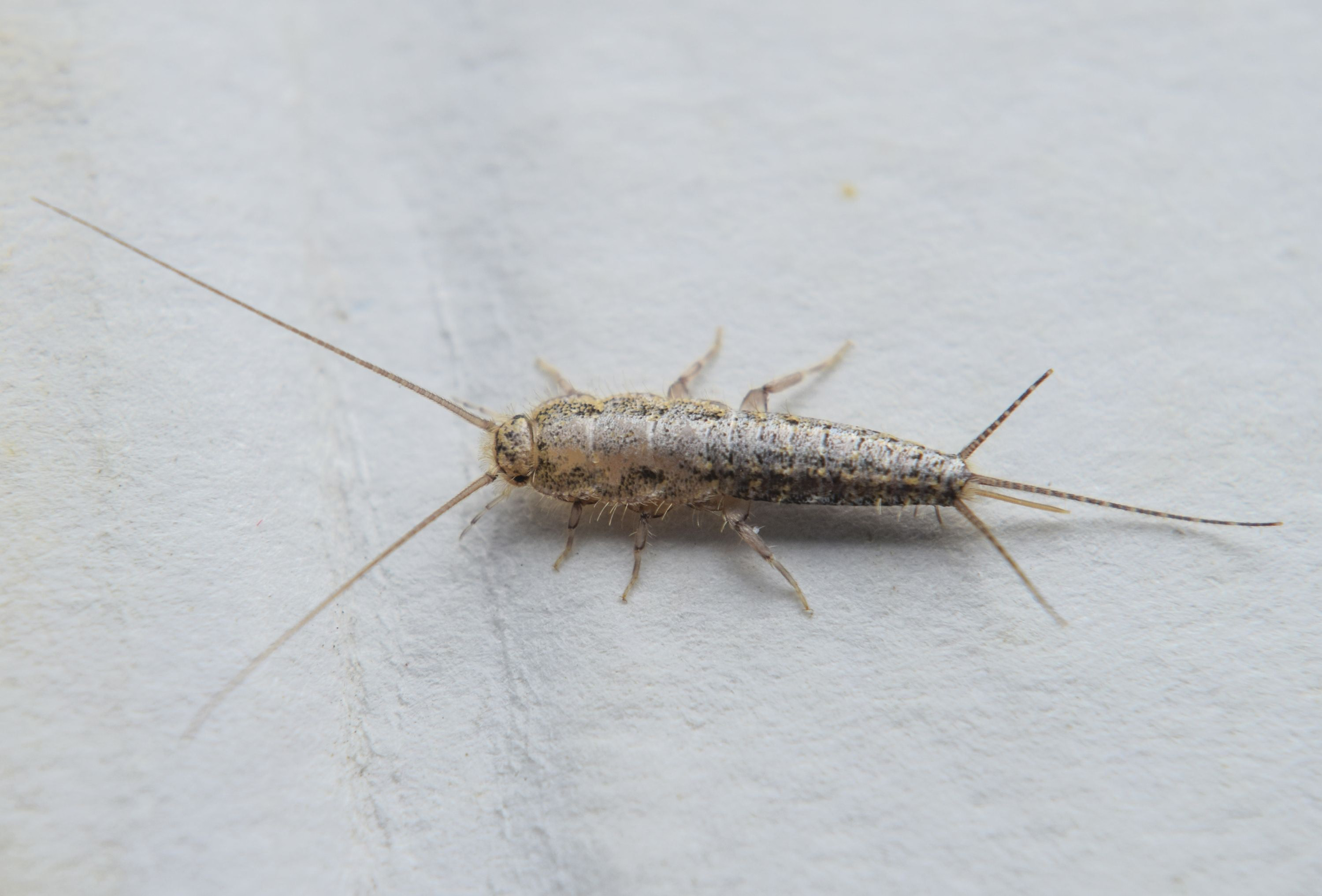
Telling Silverfish and Firebrats Apart
An adult silverfish is up to about half an inch long, silvery gray, and shaped like a carrot. It has three long bristles at the tail. It runs fast, with a wriggling motion that looks a little like a swimming fish, which is where the name comes from. A firebrat is about the same size and shape, but mottled gray and brown.
The easiest way to tell them apart is where they live. Silverfish like cool, damp places such as bathrooms, laundry rooms, and basements. Firebrats like heat above about 90 degrees, so they turn up near water heaters, furnaces, dryer vents, and in attics during the summer. Both hide during the day and come out at night.
What Silverfish and Firebrats Damage
Both feed on protein-rich and starchy materials, which puts books, linens, and natural fabrics at risk. They can also leave a yellowish stain on whatever they've been feeding on. New construction is particularly attractive to them, since fresh building materials are exactly what they're looking for. Both species like to hide in wall voids and attics, out of sight and away from light.
Their menu is wide. It includes the glue in book bindings, wallpaper paste, cardboard, old photographs, cotton, linen, and rayon, and dry pantry foods such as flour and cereal. They can live for several years and can go months without eating, so a small population can hang on for a long time in a quiet storage area.
Signs of Silverfish
- Irregular holes or notches along the edges of paper, or surface areas of paper and wallpaper scraped thin.
- Yellowish stains on fabric or paper.
- Tiny black droppings that look like ground pepper.
- Shed skins and loose silvery scales on shelves.
- Insects trapped in a sink or bathtub, since they cannot climb smooth surfaces.
Silverfish and Firebrat Control
Reducing moisture and improving ventilation in the affected area is the first step, the same as with booklice, since both pests are drawn to damp conditions. Sealing cracks and gaps where they travel between wall voids and living space, along with reducing clutter where paper and fabric are stored, helps prevent them from establishing a foothold. A professional inspection can confirm where they're entering and hiding if the problem persists.
Around Reno, that usually means a few specific fixes:
- Run bathroom exhaust fans, and use a dehumidifier in a damp basement.
- Watch the humidity in rooms served by an evaporative cooler.
- Store papers, photos, and seasonal clothes in sealed plastic containers, not cardboard.
- Clear out stacks of old newspapers, magazines, and boxes.
- Caulk gaps along baseboards and around pipes.
- Set sticky traps along walls for a week to see where they are most active.
Once silverfish are established inside wall voids, cleanup alone may not reach them. That is the point where a treatment aimed at the cracks and voids where they hide makes sense.